Previous Event
The Dingo Dilemma
Friday 1 May 2026, 5:45pm
$10/person
Hear renowned UNSW conservation Scientists Dr. Kylie Cairns, Professor Mike Letnic, and James Vandersteen speak on our local Namadgi NP dingo population and what you can do to help protect these animals.
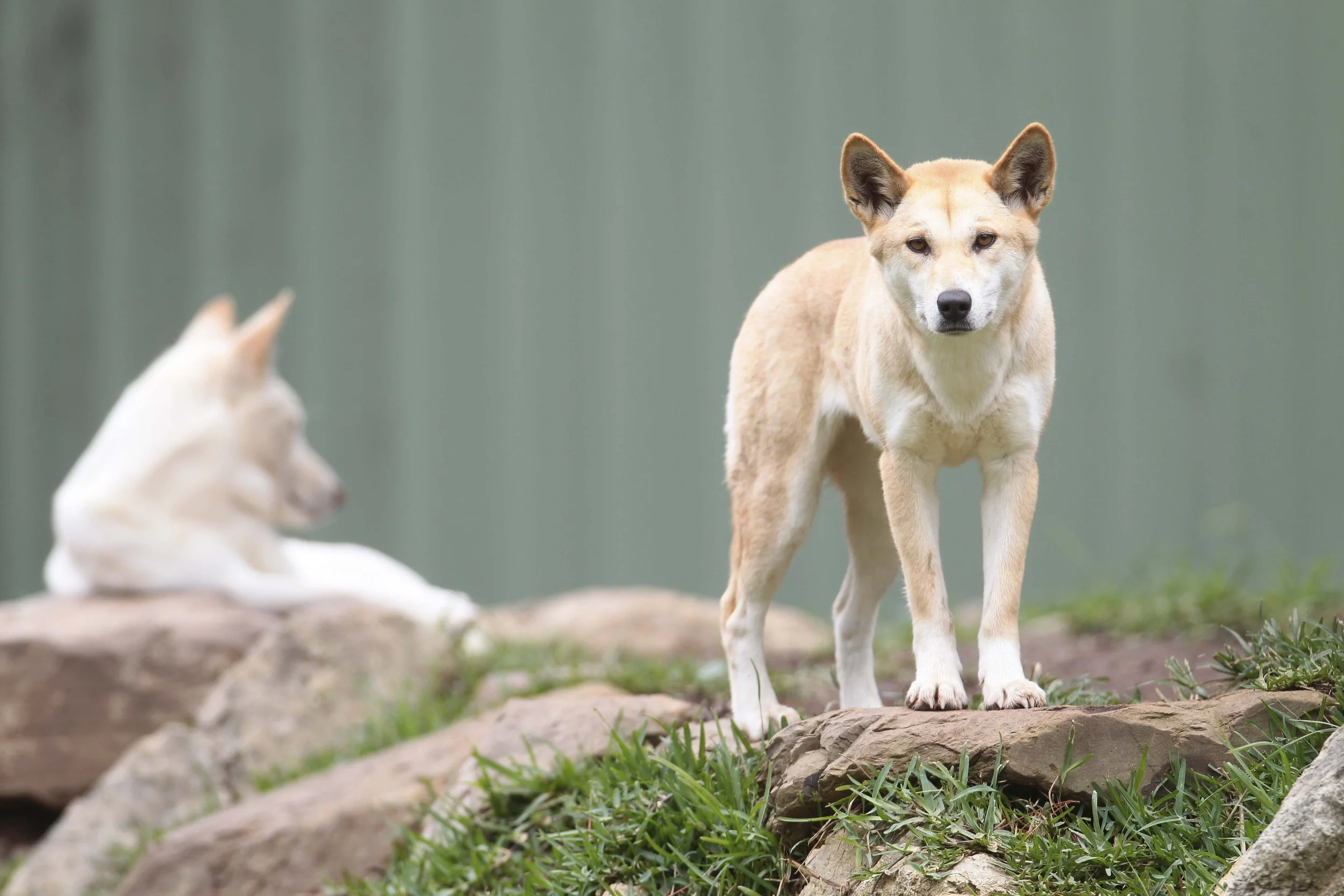
The Dingo Dilemma-
Borderlands and farmlands:
Between the Wildwood and the buffer zone
Is there a place for Namadgi’s dingoes?
The National Zoo and Aquarium invite you to hear the answer to that question as 3 leading researchers from UNSW discuss the challenges of balancing wildlife conservation and livestock protection.
Money raised will support further research through UNSW to bridge the conservation and farmland conflict to protect both dingoes and livestock.
We have sold out tickets for this event. However, we will be live streaming start-finish on YouTube. Click “Notify Me” to be notified when we go live.
The Speakers
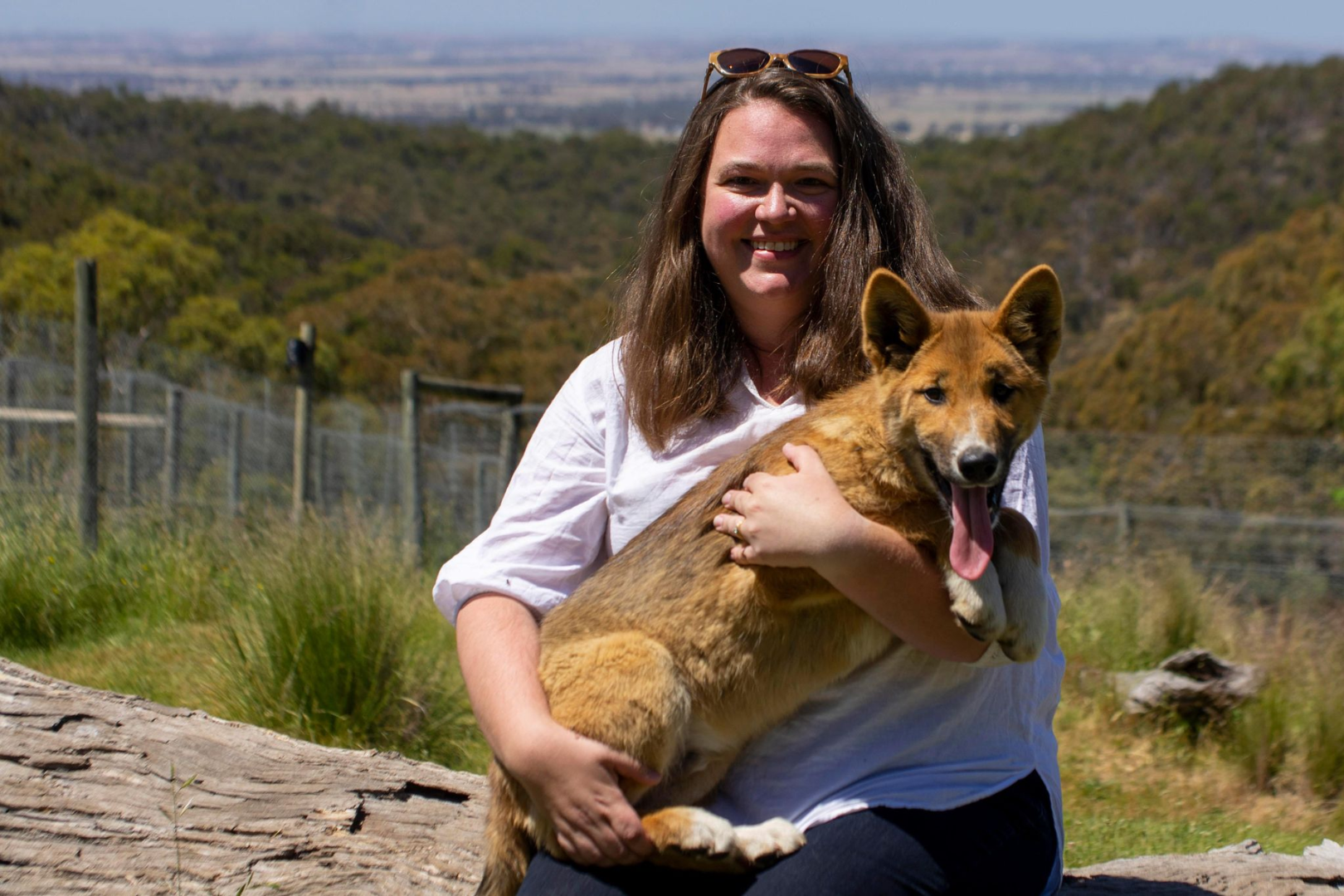
Dr. Kylie Cairns
is a postdoctoral researcher at the University of New South Wales (UNSW), specializing in wildlife genetics and conservation biology. Her groundbreaking work focuses on the genetic makeup of dingoes, investigating their evolutionary history and ecological role in Australia. Dr.
Cairns has contributed significantly to understanding the origins and identity of dingoes and their relationship to domestic dogs and wolves. More recently she has begun using environmental DNA to investigate how predators interact with their environment and other species. Her research aims to inform conservation strategies that protect these iconic animals while balancing ecosystem health, biodiversity and agricultural impacts. Kylie is passionate about engaging the public in science and conservation efforts. She frequently collaborates with Indigenous communities to integrate traditional ecological knowledge into her research. In her spare time, she enjoys camping, spending time with her two poodles and gardening.
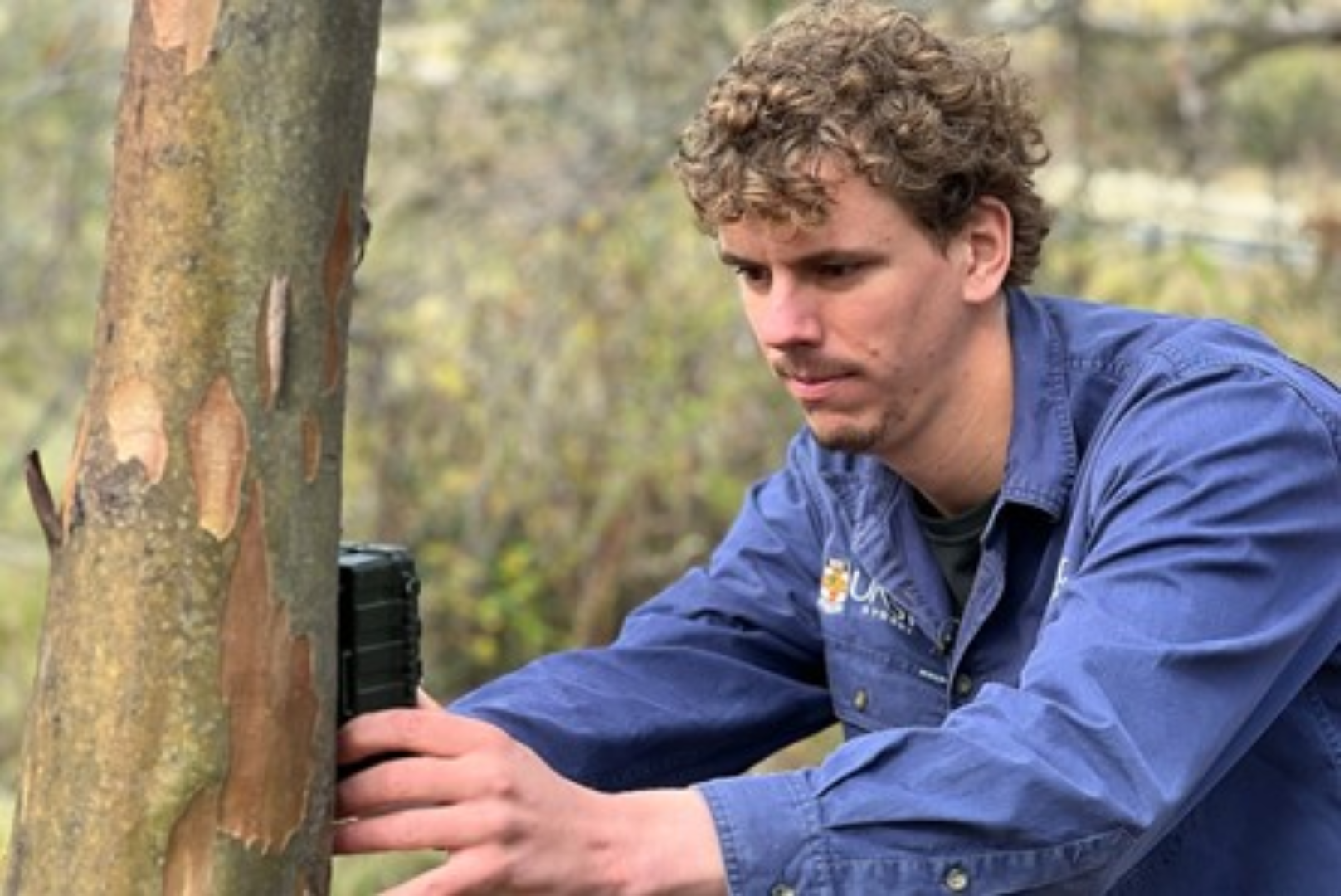
James Vandersteen
is a PhD candidate at the University of New South Wales under the supervision of Professor Mike Letnic, Associate Professor Neil Jordan, and Dr Renee Brawata. For his PhD, James is investigating the role of dingoes as apex predators in the Australian Alps.
Specifically, how dingoes influence trophic interactions across multiple levels, from mesopredators to small
mammals, from grazers to vegetation, to better understand the dingo's role in maintaining biodiversity and ecosystem function. His work is carried out in the ACT's Namadgi National Park and his findings will directly inform best practice evidence-based dingo management.
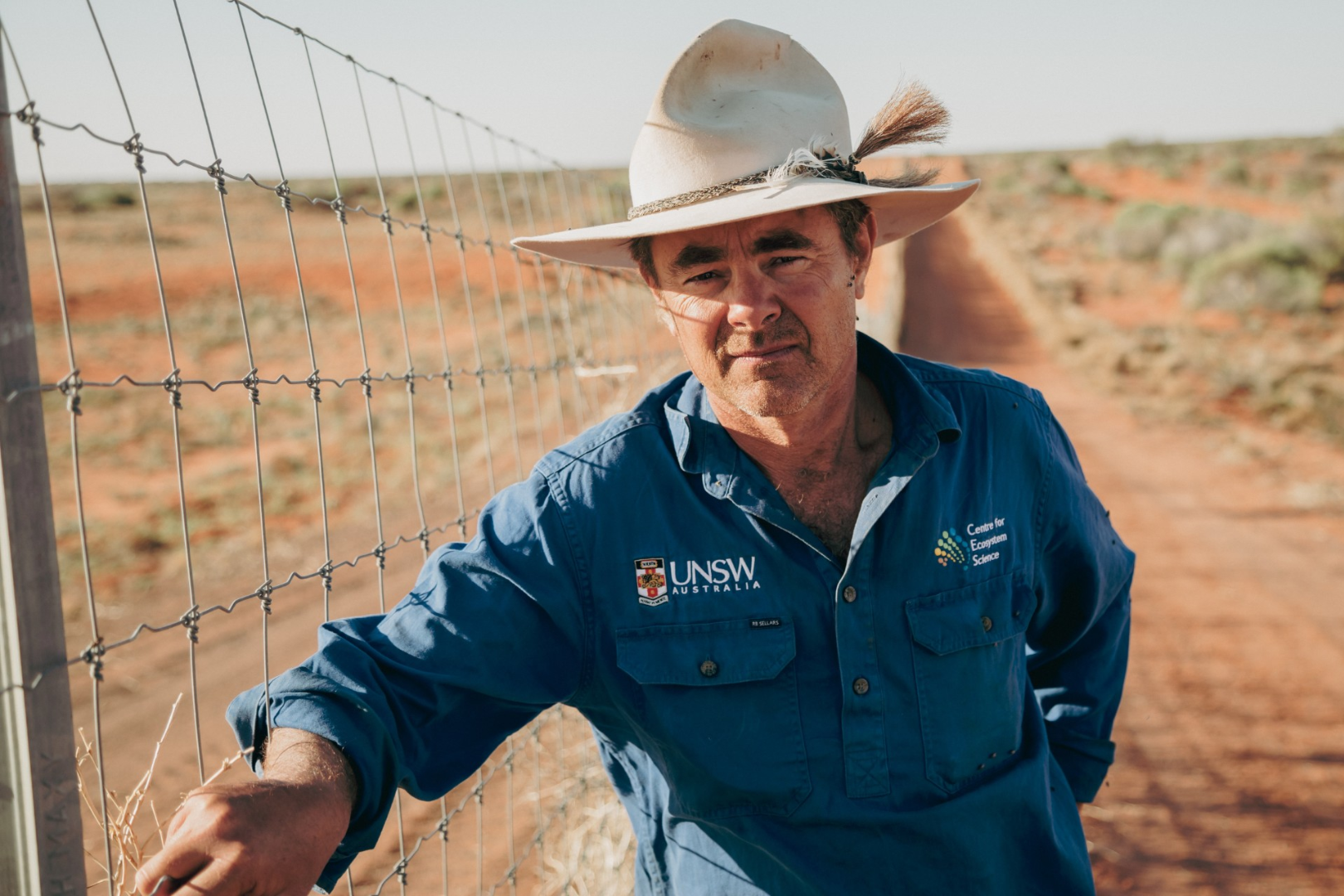
Professor Mike Letnic
is an applied ecologist and conservation biologist whose research focuses on the role of apex predators, particularly dingoes, in structuring ecosystems and conserving biodiversity. Over several decades, his work-especially along the dingo fence-has provided critical insights into how predator control shapes trophic interactions, ecosystem function, and landscape condition across Australia. His broader research aims to address the challenges of biodiversity conservation in a human-dominated world by improving understanding of ecological processes at spatial and temporal scales relevant to management and restoration, and by translating this knowledge into practical, on-ground outcomes.